We look after your interests

(+34) 93 626 47 75

Torres Sarrià, Carrer de Can Ràbia, 3-5, 4ª Planta BCN 08017

(+34) 91 794 19 82

Pº de la Castellana, 93 2nd floor MADRID 28046

Category: Actualidad

The global debt distortion.

yield_curves

Diversos analistas de medios como por ejemplo el WSJ o BusinessInsider, revelan que está ocurriendo algo inusual en los tipos de interés norteamericanos, aunque la verdad sea dicha, motivos para que el Sistema financiero se comporte de modo extraño y jamás visto no faltan, desde luego. Para ponernos en situación, cabe recordar que cuando una economía -como le está sucediendo ahora mismo a la norteamericana- consigue unas cifras próximas al pleno empleo y una inflación cercana al codiciado 2%, su curva de tipos se acentúa. Esa es una consecuencia lógica de la mejora de las perspectivas económicas, ya que en un escenario donde empiezan a surgir cantidad de buenas oportunidades de negocio, es normal que los inversores exijan mayor rendimiento a cambio de bloquear su dinero a largo plazo, y menor renta a vencimientos cortos. La consecuencia gráfica es una mayor pendiente en la curva de tipos de esa moneda, como se ha visto en infinidad de ocasiones a lo largo de la historia. (more…)

Central banks and the rise of extremism.

DanielleblueOs recomendamos una lectura para el fin de semana. Se trata del artículo que encontraréis enlazado al pie de este post, escrito por Danielle DiMartino Booth, analista económica especializada en bancos centrales. Danielle Booth supo prever hace una década la catástrofe que supuso la burbuja inmobiliaria y el abuso de crédito hipotecario ejercido por los bancos norteamericanos. Recordemos que la llamada «crisis subprime» fue el fenómeno que originó el colapso del Sistema Financiero, que hoy en día se mantiene aún en pie sólo gracias a (o por culpa de) la respiración artificial proporcionada por los bancos centrales, a costa del crecimiento y la riqueza de las próximas generaciones.

Antes de que tachéis a esta analista de exagerada y catastrofista, os queremos recordar que Danielle fue la mano derecha del ex-Presidente de la FED de Dallas Richard Fisher durante los 10 años de su mandato. Fisher (y su mano derecha Danielle) se enfrentaron a Bernanke cuando éste inició la fabricación masiva de dinero/deuda. Y en 2013 Fisher y Booth también se mostraron firmemente en desacuerdo por la puesta en marcha de la tercera ronda de Quantitative Easing, por considerarlo ya «one step too far».

Si queréis ponderar un poco más el análisis de Danielle, podéis leer también lo que decían de ella en ZeroHedge el pasado año: «Another FED Insider Quits, Tells The Truth«. Por nuestra parte tan solo recordar las advertencias que hemos reiterado desde el 2013 en artículos como «La Era de los Bancos Centrales«.

Ya sabemos que algunos de vosotros consideráis que nuestros artículos son generalmente demasiado pesimistas. Pero quizá, después de leer a Danielle, los nuestros os resulten incluso un tanto «happy flowers» 😉 En cualquier caso, os deseamos un feliz fin de semana y que este bofetón de crudo realismo titulado «Central Banks and the rise of extremism» no os lo estropee:

«Central Banks and the rise of extremism.»

Rentiers, bondholders and other endangered species.

Evolucion-politica_EDICRT20130628_0001_3Resulta evidente que la ingente labor de los bancos centrales del mundo desarrollado está acabando con uno de los pilares del Sistema financiero hasta hoy conocido: La llamada genéricamente renta fija. Y no sólo los bonistas o rentistas van a sufrir pérdidas -o en el mejor de los casos ausencia de rentas- sino que junto con ellos hay un mundo de inversores institucionales que dependen también de retornos estables a largo plazo, como por ejemplo aseguradoras o fondos de pensiones públicos y privados. ¿Qué están haciendo estos inversores ante la ausencia de rentas y el oscuro horizonte de la renta fija? La respuesta es tan diversa como el perfil de los afectados. (more…)

El Silencio de los Conservadores.

Hace unos 4 años la situación de las economías europeas divergía tanto que los Mercados cotizaban defaults en casi toda la periferia. Las primas de riesgo arrojaban a media Europa en brazos de la insolvencia y Alemania le negaba a Draghi el permiso para inundar de billetes el sur del continente. La cuenta atrás para la ruptura de la UE estaba en marcha, y así lo advertimos entonces en Gurusblog. Sin embargo, contra todo pronóstico (al menos el nuestro), Draghi desoyó las consignas de Schäuble y comenzó a ampliar el balance del BCE como venía haciendo la FED desde 2008. Ese fue el inicio del rumbo a lo desconocido del colectivo de economías desarrolladas. (more…)

Putin and the Middle East conflict, 2 years on.

Some of you may remember the article we published a little over two years ago entitled «Russia's Motives».». At the time the Western media could not (and do not) see beyond their noses and insisted on warning of Putin's demonic will to invade the whole of Ukraine after annexing Crimea. They biasedly ignored the fact that the elected Ukrainian president, Yanukovych, had been overthrown in a coup d'état dubbed Euromaidan, Maidan Square Revolution, Revolution of Dignity and other sweetened euphemisms. The fact is that, apart from the fact that this coup/revolution has, over time, done more harm than good to Ukrainians as a whole, Western public opinion feared that Russia's military response to Crimea was only the beginning of a pan-European war invasion in the purest secular style. We recommend re-reading it before continuing our reflections today, two years later. (more…)

Greece: The moment of truth.

The time has come. The last cartridge has already been fired, and it is none other than the reunification of the principal payments that Greece owes to the IMF for the month of June until the last day of the month. In other words, 30 June is the moment of truth, since all possible rabbits have already been pulled out of the chisteras of the euro-bureaucrats in these almost 3 years of Greek agony.

Yesterday it was requested in extremis that the June maturities, starting today on the 5th and followed by another due date on the 12th, be combined into a single payment on the 30th. This was the last legally established possibility of postponement without falling into manifest default. No more. The end of the pantomime and theatrics between Varoufakis, Tsipras, the men in black, the iron hand of Dijsselbloem, Merkel and the Vaseline of Draghi and Lagarde. On the last day of June Greece will officially go bankrupt (unofficially it has been bankrupt for years), unless Germany and the rest of the «rich north» give in, i.e. pay the debts of the corrupt south, which is highly unlikely. Let us not forget that some central banks have already prepare contingencies The «Greexit» has been unspeakable for more than 3 years. (more…)

Fixed income: The bubble of the perfect storm

Las políticas de tipos cero que se han venido sosteniendo desde los Bancos Centrales del mundo más desarrollado para evitar el colapso de la deuda, han distorsionado por completo el sistema financiero. Los efectos colaterales de regalar el precio del dinero y la barra libre para evitar que los hiperendeudados (todo el mundo desarrollado) quiebren, son letales para los que deben generar rentas. Es un escenario amable con los insolventes pero muy hostil para los inversores, que se ven abocados a prestar su dinero a cambio de míseros rendimientos ofrecidos por emisores cada vez más peligrosos e insolventes.

A medida en que el dinero de los inversores se desplaza hacia la deuda más insolvente buscando desesperadamente unos puntos de rendimiento, la burbuja en los precios de toda la deuda, tanto desarrollada como emergente y en toda su curva, se hincha más y más. Los emisores más solventes o con bancos centrales dispuestos a comprarlo todo, tienen buena parte de sus curvas de tipos ya en negativo, o sea que los inversores deben pagar por prestarles su dinero. De igual modo los emisores menos solventes viven en una nube de liquidez que les permite endeudarse más y más pagando tipos como si fuesen grandes nombres multinacionales solventes. (more…)

Banco Madrid or the reckless corralito

Banco Madrid is the first bank that the state and its regulators have let fall in this galloping debt crisis. In fact, technically speaking, it has not been allowed to fall, i.e. it has not fallen due to the absence of a bailout with state funds, as other insolvent institutions have been rescued in recent years, but rather, forceful measures have been taken to liquidate it due to its -still- alleged money laundering. What is paradoxical is therefore that the reason for the intervention and the swift liquidation of the institution is not, at least originally, due to the feared insolvency but to criminal practices of great significance.
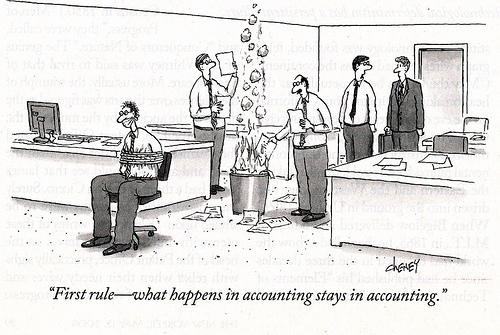
However, there is no shortage of conjecture pointing to other motivations of a less financial or political nature, as suggested by this article from ElConfidencial,this one from lasfinanzascambian.com or such an authoritative voice as Javier Cremades, chairman of Cremades & Calvo-Sotelo and president of the International Financial Litigation Network (IFLN) in this devastating article. In fact, it is strange, to say the least, that the report of the Sepblac to remain in Minister De Guindos' drawer The report had already warned of indications of various laundering offences before the Anti-Corruption Prosecutor's Office, which had not been processed until the USA demanded that action be taken. We are not therefore dealing with crimes or malpractice that have gone unnoticed until today, but rather with suspicions and indications that the competent bodies detected as early as June last year, but which they surprisingly ignored until the US financial police have come forward. (more…)

It's not for not collecting, it's for not accounting.

With central banks and their QE, the debt situation in the developed world has reached a surrealistic level worthy of study. Not only because of the unprecedented size of the balance sheets of the FED, ECB, BoE, BoJ, SNB, etc., but above all because of the manipulation of accounts, which has become a macabre and dangerous norm.

Thus, the manifest insolvency of the southern states of the Eurozone is the gigantic elephant in the room of the Troika (now renamed «the 3 institutions»: EU, ECB and IMF) that all these creditors ignore without the slightest blush. The most surreal case is that of Greece, which with Syriza at the head of its government is causing panic among its European partners. And this panic is not caused by the Greek state's inability to repay its massive debt - they have known that for years - but by the new government's willingness to publicly and openly acknowledge its insolvency.. Why? Simply because recognising that Greece will never be able to pay means having to write off losses on its creditors' balance sheets. And that really panics them, since neither the European banks nor the indebtedness and budget deficits of the other Eurozone countries are in such a state that they can count not a single euro of additional losses at the moment. (more…)

The CNMV shields itself against a foreseeable collapse in fixed income.

According to this communiqué issued by the CNMV last Friday, investment funds registered in Spain for marketing will have to publish a series of warnings in addition to those set out in the current regulation. Special emphasis is placed on fixed-income funds and funds that establish a return objective, whether guaranteed or not, and structured funds. These warnings must be included in the prospectus of the funds, as well as in the DFI (Key Investor Information) and in the IPP (Periodic Public Information). In other words, no one, neither investors nor judges, can say that the CNMV is in any way responsible for the losses that any investor may incur in fixed income in the near future. The fact is that they have already seen the lion's ears when the CNMV has had to defend itself in recent years for having acted with slovenliness, incompetence and/or negligence in the pitiful issue of preferential securities. (more…)

Shall we help you search?

Cluster Family Office

We care about transparency both in management and in our own way of working. Leading wealth management and family offices company

Do you need help in capital and wealth management?

How can I avoid the negative effects that my fortune may have on my children?

How and when should I talk to my children about family wealth, and what relationship should they have with money throughout their adolescence?

How can I measure the real risks of my investments and protect my assets adequately?

Do I have sufficient liquidity and stable income to cover my needs on a permanent basis?