

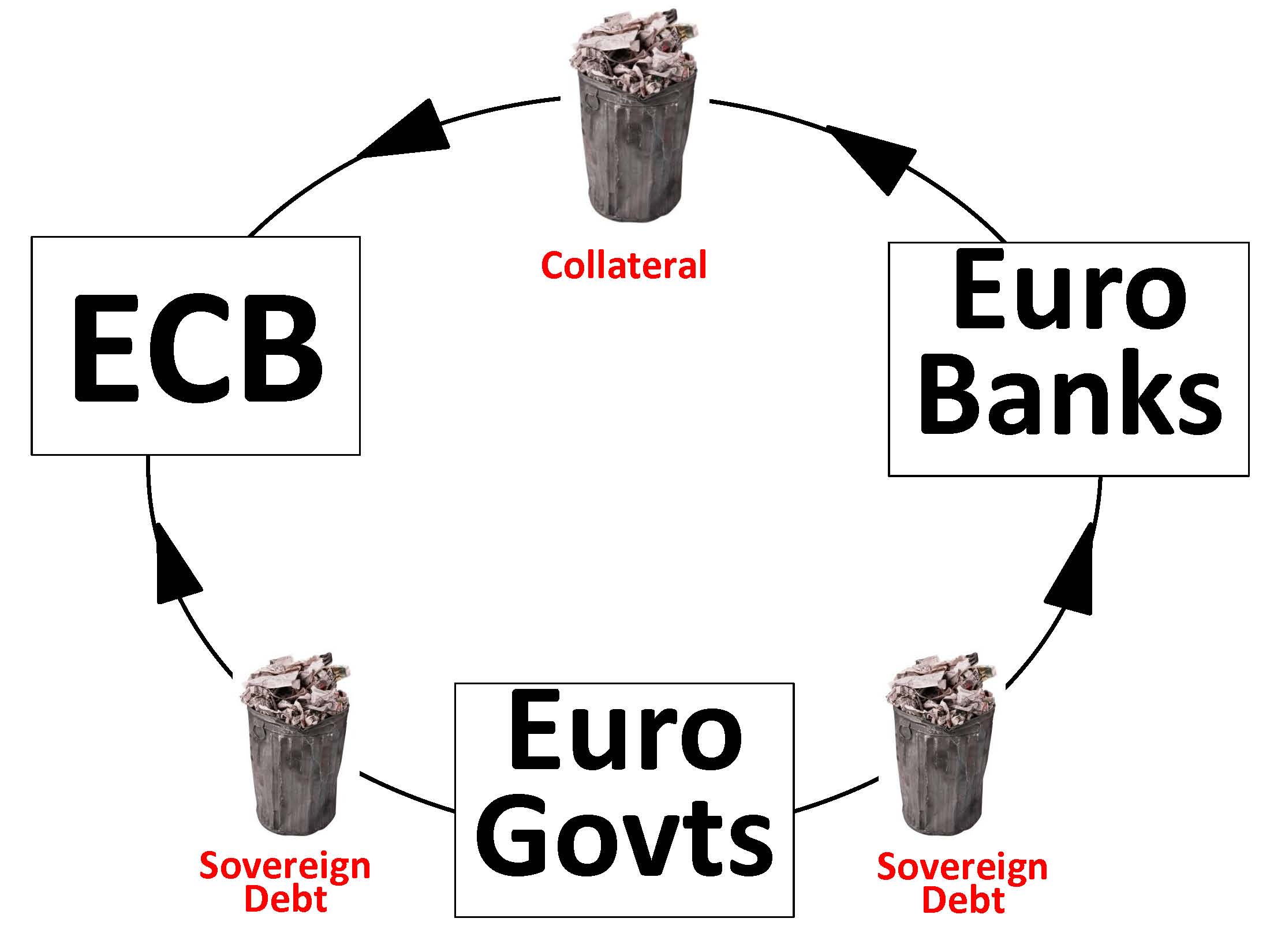
Generating income when rates can only go up, and doing so in an environment of recession or anaemic growth, is at best a pipe dream. The fact is that there comes a point at which trying to scrape a tenth of a yield by adding risk (and we are not talking about mere volatility but the dreaded insolvency) is not only reckless but also increasingly difficult to achieve. A few examples to illustrate this point: The Spanish 10-year sovereign bond, with government indebtedness of 100% of GDP and its persistent public deficit of -7%, offers an incredible yield of 1.96% per annum. Or the high yield corporate debt of companies in the developed world, as over-indebted as the countries, with yields that are less and less «high» and which will be mercilessly crushed by the rise in interest rates. And what can we say about Greece itself, the paradigm of insolvency and the impossible rescue by states also in need of a bailout, offering a ridiculous 7.79% for 10 years. In other words, the investor receives 7.79 per annum in exchange for Greece being able to pay back its euros intact in 2024... Insane. The sovereign debt that many investors have in their portfolios (ignoring the fact that there is life beyond traditional listed fixed income), which has risen as much as the Spanish risk premium has fallen in the last two years, reminds me a lot of the turkey sentiment before Christmas... (more…)




 Investment gurus such as Warren Buffett have it ingrained in their very DNA: Investing is like playing any sport whilst focusing on the game itself, whereas doing so whilst focusing on the score is pure speculation. The matches, the championships and the well-deserved glory go to those who focus on the pitch – on constantly improving their strategy and competitive skills when selecting companies in which to invest – rather than on the absurd speculation of managing a digit displayed on a neon sign, which, incidentally, is as volatile as our own incompetence.
 The party continues. Following the rallies on the American and European stock markets – particularly the Spanish one – it seems that most investors are set to stumble over the same old stumbling block once again. When? It’s impossible to say for certain, but what is certain is that the stumbling block is there and investors, giddy from such a rally, are running about like headless chickens. And what is this stumbling block that so many are set to trip over? Well, logically, it’s the valuations in developed stock markets, which are by no means cheap any longer – not to mention that they’re already starting to look expensive. Especially when we bear in mind that corporate profits are at record highs and interest rates at record lows, which inevitably brings us closer to the end of this cycle and the start of the next.