Aunque sea una obviedad es importante constatar que ya estamos al final de la jornada americana de viernes 14 de septiembre de 2007. Es decir, retomando los escenarios posibles que definíamos en El mito de las Bin Laden Optios y la responsabilidad del investor:
«si en los próximos días, como es de esperar, no tenemos ningún sobresalto terrorista de orden mundial, seguiremos aprovechando las oportunidades actuales y tratando de cicatrizar lentamente las heridas de la amenaza de credit crunch.»
Parece que la cicatrización está todavía muy lejos aunque, como decíamos en ese mismo artículo, el escenario se podía complicar mucho más en estas fechas tan delicadas.
La economía global está pasando por unos momentos de tensión como los que sufren los ocupantes de un avión cuando los pilotos detectan anomalías en pleno vuelo. Se ha abandonado repentinamente la placidez de un trayecto donde la comodidad había hecho olvidar al pasaje y a la tripulación que estaban a 10.000 metros de altura, a una velocidad de 950 km/h y con una temperatura exterior de 25 grados bajo cero.
Muchos ocupantes ahora se percatan de que viajan en una nave con muchas horas de vuelo en sus alas y motores, cuyos materiales padecen una fatiga muy importante y que, como siempre, va cargada hasta los topes de pasajeros y equipajes. La extrema optimización económica del aparato y la omisión de las revisiones no estrictamente imprescindibles, tal vez hayan podido ser los causantes de las disfunciones que ahora preocupan y lamentan muchos. Demasiado tarde. Ahora lo único útil es mantener la calma y afrontar la situación con rigor, frialdad, inteligencia y entereza.
A pesar de que algún pasajero ha entrado en pánico, la mayoría siguen conservando la calma. En realidad la situación parece controlada por los tripulantes, y aunque siguen encendidos algunos indicadores de alarma, los sistemas vitales del avión siguen funcionando correctamente. El ambiente en la cabina es tenso porque las alertas se han ido encendiendo progresivamente y, aunque de momento la situación está muy controlada, nadie sabe qué indicador puede empezar a sonar en cualquier momento. Son anomalías que se han producido en cadena, algunas sin ninguna importancia y otras que merecen la atención serena pero constante de los pilotos. Una cosa está clara, el avión tiene problemas y hay que desviar el aparato de su ruta inicial. Aunque algún inconsciente sigue obstinado en querer llegar al destino en la hora prevista para no perder ni un sólo minuto de unas vacaciones todo incluido que pagará en cómodos plazos. Pero la realidad es muy distinta.
Los pilotos han modificado ya el rumbo, la velocidad y la altura adaptando técnicamente el avión y gestionando los recursos mecánicos de forma eficiente para no sobrecargar peligrosamente los sistemas que todavía funcionan sin problemas. Con los sistemas que la nave conserva se intentará alcanzar el aeropuerto más próximo donde poder aterrizar y realizar una revisión técnica exhaustiva. Si lo consiguen, esperemos que esta vez la compañía exija todos los recambios necesarios y haga el esfuerzo económico que no hizo cuando debía. Aunque esa nueva política suponga una subida de precios y algunos de sus actuales clientes deban dejar de volar tan a menudo.
Con un destino más cercano, altura y velocidad menor, esperan evitar cualquier desgracia y que los ocupantes puedan descender del avión sin sufrir ningún daño mas que los inconvenientes propios de modificar radicalmente los planes de todos ellos. Pero para ello hay que conservar la mecánica, la serenidad, que la tripulación actúe con rigor y profesionalidad, y esperar que no se produzcan nuevas averías que afecten los sistemas vitales del viejo y sobreexplotado aparato.
La compañía no hizo los deberes en su momento y perdió el rigor económico exigible para el mantenimiento de la nave; los pasajeros gastaron en caprichos efímeros lo que ahorraron volando a bajo coste y abusaron del sobrepeso en su equipaje; incluso alguna azafata abandonó sus obligaciones en plena crisis para gritar histérica y dificultar la tarea del resto de ocupantes responsables. Esperemos que la mayoría siga haciendo lo correcto y que los ocupantes sólo tengan que abandonar sus planes iniciales. Deberán adaptarse a un radical cambio de rumbo con una escala forzosa, con sus múltiples inconvenientes y pérdidas económicas. Aunque esperemos que tan sólo sea un desagradable cambio de planes y salvemos lo verdaderamente importante.
Como decíamos al principio, aunque sea una obviedad es importante constatar que ya estamos al final de la jornada americana de viernes 14 de septiembre de 2007. Seguiremos aprovechando las oportunidades que hay en toda crisis, adaptándonos lo mejor posible a los nuevos escenarios e intentando reconducir la situación sin dañar gravemente los sistemas vitales de nuestra economía.
Hace un par de semanas ya os hablé de Buffett y su cacería de elefantes. Hoy os voy a hablar de otros animales con peor prensa pero no por ello menos importantes o necesarios en la cadena alimentaria del Sistema Económico: Los carroñeros.
Se trata de las empresas y directivos que aprovechan los momentos de incertidumbre e incluso agonía de otras empresas para realizar adquisiciones oportunistas. Sin duda son operaciones financieras poco elegantes y algunas tan poco éticas como las mismísimas leyes del Mercado. Pero son necesarias, del mismo modo que en la cadena trófica tienen su papel destacado los carroñeros o scavengers.
Una empresa en verdaderos apuros o directamente en la bancarrota, debe ser aprovechada convenientemente por otras. Sus activos, recursos humanos, inmovilizado material, fondos de comercio, etc., todo debe ser reciclado por el bien del ecosistema. Las absorciones y las adquisiciones de partes aprovechables de lo que en otros tiempos (tal vez ayer) fue una romántica y generacional aventura corporativa, forman parte de la selección natural Darwiniana. La vida y la muerte en la selva es así.
Ya en el mes de Julio se empezaron a ver las primeras opciones de inversión descaradamente scavengers, como por ejemplo el Distressed Subprime Fund de Marathon.
Podemos ver hoy múltiples ejemplos de carroñeros haciendo su agosto, aunque algunos prefieran autodenominarse tiburones: Blackstone, Citadel o el mismísimo Deutsche Bank. Pero no todos ellos son simples scavengers con la virtud de transformar la crisis en oportunidad sino que entre ellos también encontramos ilustres iluminados como Passport Capital LLC que ya deshacían posiciones subprime antes del verano, consiguiendo así cuantiosas revalorizaciones y el reconocimiento y admiración por parte de su competencia.
Cazadores de elefantes, carroñeros, tiburones, scavengers…Da igual quienes sean o cómo les llamemos, forman una parte importantísima de la cadena alimentaria. Tan importante que yo diría que contribuyen como pocos a la sostenibilidad del Sistema Económico, o mejor dicho, Ecosistema. Mis respetos por todos ellos, pues son el mejor antídoto contra los efectos del pánico y la histeria de algunos.
There’s been talk for a few days now about the Bin Laden Options, that is to say, options that have allegedly been bought up on a massive scale and which would generate astronomical profits should the US markets crash before the end of September. I find it highly implausible that the US intelligence services would fail to detect and thwart such mass movements. If they had taken place, they would have been thoroughly investigated, just as they were a in retrospect, regarding the unusual put options on airlines taken out shortly before 9/11 in that fateful year of 2001. The outcome of that investigation was, on the one hand, the investor in question providing a valid justification as a hedge for other open positions; and on the other hand, a recommendation from a stock market magazine that led to another significant purchase shortly before the attacks. Everything was thoroughly traced, investigated and clarified in hindsight. Given this background, it seems implausible that large-scale operations could be carried out by the masterminds behind potential attacks in the coming days of September without the knowledge and subsequent reaction of the FBI or the SEC.
It is another matter entirely if an investor chooses to bet on a fall in the indices in the days leading up to 9/11. Obviously, that is an option like any other, and there are bound to be many such positions in the market at present. But any that are particularly significant will undoubtedly be monitored and investigated.
However, no one should be under any illusion that we are currently facing the most difficult period in our global economic system—I would go so far as to say, since 1929. In a scenario such as the present one, a potential attack on the scale of that of six years ago would cause serious damage to the confidence and investments of most of the world. Undoubtedly, the current credit crisis, combined with an attack of enormous proportions, would send shockwaves through the very foundations of our global economy. Panic would only serve to amplify this, although I am convinced that things would eventually return to normal sooner or later.
For all these reasons, I would like to explain my personal view of the situation: 1. It is true that we could see a large-scale attack or attempted attack around 11 September. If, for a moment, we put ourselves in the shoes of an Islamic fundamentalist fighting to bring down the American enemy and its financial system, we would, if we could, take advantage of the current credit crisis in the system to try to cause as much damage as possible at the worst possible moment. 2.- If, unfortunately, this were to happen, it would present another golden opportunity for our investments. After all, what would truly be unthinkable is the possibility that the global economic system might collapse irrevocably, giving way to who knows what.
Personally, I have always been convinced that Bin Laden died buried beneath one of his caves or as a result of a cluster bomb during the war in Afghanistan. Let’s not forget that he used to treat us to a new provocative video every week until one fine day he decided to stop making short films. Since then, we’ve had nothing but the odd audio tape of appalling quality, featuring a voice that could belong to any of his heirs. Perhaps his camera battery ran out and he never found a power socket again, but I prefer to think he simply died. However, a French newspaper reported his possible death from typhus in Pakistan over a year ago. The uncertainty of not finding the body and a strategic decision by the CIA have deliberately kept his image alive for some indecipherable purpose.
In any case, if – as is to be expected – there are no major terrorist incidents on a global scale in the coming days, we will continue to make the most of the current opportunities and try to slowly heal the wounds caused by the threat of credit crunch. And if, unfortunately, we were to suffer a global attack, some would panic whilst others would carry on elephant hunting, as always. Whatever happens, we must invest responsibly, as hysterical speculation can damage the system even more than the bombs themselves.
Charles Ponzi, Parma (Italia) 1877-1949. Fué famoso por lo que se conoce como el Esquema Ponzi, que no fue más que una estafa a gran escala causada por la falta de oferta de cupones postales que arbitraba de España a los EE.UU. donde residía desde el año 1903 como un emigrante más. Recibía estos cupones vía Italia con un arbitraje que le generaba un beneficio escandaloso de un 600%. Ofreció participar del negocio a familiares y amigos con un 45% de beneficio a 90 días, pero pronto quedó desbordado por la demanda. Todo Boston quería participar del «negocio Ponzi» y tuvo peticiones de hasta 200 millones de cupones. Ante la avalancha de demanda que hacía materialmente imposible la cobertura real de los ingresos con sus cupones correspondientes, Ponzi decidió pagar los intereses de los inversionistas con las nuevas aportaciones diarias que recibía. Se había creado un efecto piramidal de consecuencias nefastas que le llevaron a prisión y acabaron con su efímera opulencia en pocos años. De hecho murió en un hospital caritativo de Río de Janeiro, en la mas absoluta miseria a la edad de 72 años.
¿Es comparable el abuso del crédito y su titulización actual con un Síndrome Ponzi? En cierto modo podríamos decir que sí. Al menos es extrapolable el incremento de demanda de crédito que ha sufrido nuestro Sistema económico en los últimos años. Pero qué duda cabe que la mayor responsabilidad está muy repartida: La tienen los financos que titulizaron todo lo titulizable y más, también la tienen los inversores que apalancaron lo indecible con y sin carry trade, la tienen las calificadoras de crédito que con buena o mala fe hicieron muy mal su trabajo, y la lista podría seguir hasta ofender a más de uno. De todos modos debemos reconocer un cierto Momento Minsky, tal y como nos comentan muy acertadamente desde Gurusblog, que ha incrementado abusivamente el crédito de tipo Ponzi.
Aunque lo que hizo Ponzi en su día fue una estafa mayúscula que arruinó a miles de personas, quizás no deberíamos demonizar el esquema Ponzi, porque no olvidemos que nuestra Seguridad Social lo practica con alevosía y sin remedio para hacer frente a sus obligaciones. Eso sí, advirtiendo que en el futuro quizás el sistema de pensiones no será sostenible a causa de la creciente longevidad. Si fuéramos realmente solidarios y políticamente correctos deberíamos morirnos a los 70 años para preservar el Sistema. Si Ponzi levantara la cabeza…
Lunes 27 de Agosto del 2007, han pasado ya un par de semanas de las sacudidas mayores en lo que ya se ha popularizado como crisis subprime. Hasta hoy, simples réplicas del seísmo, alta volatilidad, bolsas erráticas y diversas noticias en la misma linea: «Todavía es pronto para conocer el alcance de la crisis hipotecaria», «Hay que seguir la evolución de los mercados», etc. Obviedades enmarcadas en un pesimismo moderado que refleja, en mi opinión, bastante fehacientemente la situación real. Por supuesto ni siquiera entro a valorar las voces sensacionalistas que quieren protagonismo al más puro estilo de un aquihaytomate financiero, que muy bien ha descrito Rebuzner.
Creo que en estos días podríamos ver nuevas sacudidas bruscas del Sistema financiero, y no me estoy refiriendo sólo a la bolsa. Cuando la opinión pública y los mercados se han ya acostumbrado a la nueva situación, se le ha dado un nombre más o menos aceptado por especialistas y neófitos, y parece que podemos bajar la guardia o la alerta en la que hemos vivido en las últimas semanas, habitualmente llega una nueva sacudida. Quizás no sea así y sigamos cicatrizando muy lentamente las heridas provocadas por esta crisis de crédito globalizada, pero me temo que podemos volver a ver situaciones que vuelvan a tensar la cuerda de los bancos centrales mundiales.
Con esto no quiero decir que vayamos hacia una situación caótica o descontrolada que supere la capacidad del Sistema al más puro estilo de los sensacionalistas citados, en absoluto. Simplemente que en épocas de dificultades que previsiblemente van a alargarse en el tiempo, parece como si las malas noticias se dosificaran de forma natural para que todo el Sistema financiero global las pueda ir asumiendo. En este escenario, cuando empezamos a asimilar las nuevas situaciones y a distensionar los músculos que forzaban nuestras expresiones cuando leíamos las noticias económicas, debemos estar preparados para nuevos sobresaltos. No sé si se trata de una Ley universal que dosifica nuestra capacidad de digerir adversidades o simple casualidad, pero en los momentos posteriores a una crisis financiera como la vivida este mes de agosto, parece que: No news, badnews.
Es posible que los movimientos sincopados que podamos sufrir estos próximos días no sean más que réplicas menores del terremoto inicial sufrido, y por lo tanto que no debamos dibujar un escenario distinto al que ya hemos aceptado globalmente. E incluso es posible que ni siquiera suframos réplicas significativas y que la crisis de crédito se vaya diluyendo lenta pero ordenadamente en todo nuestro Sistema. Pero precisamente con la intención de evitar pánicos innecesarios y peligrosos, debemos estar mentalizados para sufrir algunas sorpresas desagradables en los próximos días. Y en lugar de lloriquear o vender el fin de nuestros días a través de los medios de comunicación, sigamos modificando los escenarios necesarios y buscando y encontrando excelentes oportunidades de inversión. Badnews, goodopportunities.
Hace casi 4 meses que WarrenBuffett salió de cacería. Siempre le ha gustado presumir de que su empresa tiene más dinero que oportunidades de inversión. Personalmente creo que proclamó en voz alta que salía de caza mayor para chulear a algún elefante en lugar de marear alguna perdiz, como hacen otros cazadores. En lugar de enfundarse en la vestimenta clásica de camuflaje, disparó al aire a finales de abril en cuanto salió de casa. Con toda probabilidad lo hizo como reclamo para algún paquidermo domesticado deseoso de ser abatido por tan ilustre cazador. Y es que para algunos animales criados en cautividad es todo un honor (y un negocio) formar parte de la sala de trofeos de Berkshire.
Una vez más Buffett ha creado su propia Buena Suerte y está en el momento y el lugar adecuado con la cartuchera a rebosar. Así es, ante sus ojos ha aparecido un fabuloso elefante salvaje que no tenía ninguna intención de ser cazado, pero al que las circunstancias le han obligado a ponerse ante el punto de mira de Buffett. Se llama Countrywide y ha hecho que a sus 76 años, el viejo cazador tenga el mismo brillo en sus ojos que cuando disparó a M&T; Bank o WellsFargo, pertenecientes al mismo sector.
Este subprime-crunch que estamos viviendo arruinará a muchos, pero también es una oportunidad histórica para quienes saben apreciarlas mientras otros huyen despavoridos y presas del pánico hacia el refugio de la triple A soberana, aunque sea a costa de un yield irrisorio.
El Maestro WarrenBuffett, una vez más marca el camino a seguir. Es la más responsable e interesante de las opciones. Si Countrywide es una opción válida, tanto o más lo son las inversiones en renta fija no vinculadas a las hipotecas subprime, tanto de sectores no financieros como incluso también financieros. Encontramos actualmente deudas corporativas A y AA muy por debajo de la par, incluso por debajo de 90, con yields más que interesantes. Es decir, verdaderas oportunidades del mercado de renta fija visibles tan solo para algunos clarividentes.
Lamentablemente la mayoría de inversores medios siguen fijándose sólo en los índices bursátiles. Incluso utilizan la renta variable como baremo para determinar la gravedad de la situación de la actual crisis de crédito. Pero afortunadamente la Economía en mayúsculas no es sólo la bolsa, sino mucho más. La situación en que se encuentra el Sistema económico puede empeorar o mejorar con cierta independencia de lo que le pase a los índices del DJ, DAX o FTSE. No cabe duda de que dichos mercados acabarán repercutiendo el estado de salud real del Sistema, pero fijarse sólo en ellos es como mirar las caras del público en lugar de ver el partido.
En fin, como dice Rebuzner en su último post, hoy vende hablar de caos y cracks generalizados. Mientras otros Maestros van a lo suyo que, además nos beneficia a todos una vez más.
It has been 5 days since our final analysis of the situation. And the reactions of the entire financial system seem to be in line with our expectations. In recent days we have seen how even Russia has collaborated to provide liquidity to the interbank market. And today the EDF has decided to cut discount rates on loans to banks by half a point, from 6.25% to 5.75%. The effectiveness of this move will be tested in the coming days, but it seems technically very appropriate.
Personally, I believe that the soothing effect that has been produced by the this decision The US Federal Reserve's decision will only be temporary. Widespread volatility seems assured and we may continue to see significant falls in stock market indices around the world, as well as significant falls in institutions and investment funds that are in real trouble. But there is no doubt that the scenario at 5.75 is better than at 6.25, and we believe that the way forward has been shown.
What is truly vital in the current historical moment of absolute uncertainty is to make our way day by day by resisting the total chaos in which all markets and sectors could fall. In other words, for almost a week now it has been globally accepted that we are in a critical situation in the System. And yet ministers, central banks and the top managers of the world's largest financial institutions seem to be working together towards a common goal: to avoid the chaos that would ensue if the crisis that began in the US mortgage sector were to spread to the rest of the economic system, bringing it crashing down like a house of cards. By this I do not mean that the world economy has no solid foundation to stand on, but that widespread panic would accentuate the destructive effects of the collapse of some investments that are made of ethereal and contagious products. We talked about this type of investment based on financial engineering that is too far removed from economic reality in a previous post. Curiously, we already warned then, exactly on 20 June, We were also aware of the sense of danger or uncertainty that we were already detecting at that time. Although we did not say that the trigger was the US mortgage risk, we did mention a scenario like that of the 1929 crash or a globalised crisis.
In spite of everything, it seems to us very positive that the tools of the global financial system itself continue to be applied to alleviate as far as possible the crisis that the entire economy is going through. More importantly, the first voices are beginning to be heard in favour of greater control of high-risk financial operations. This is positive in itself, although obviously no one has any idea yet who and how this should be done.
Let's continue to live history with serenity and intelligence, and let's clean up only what is necessary without spoiling the rest of the Economic System. To be continued...
It has taken a period of stock market turmoil for some investors to realise that we are living through historic times for the global financial system. Put like that, it sounds apocalyptic, and indeed it may well be; but we are also facing an opportunity for financial authorities around the world to continue demonstrating their responsibility, competence and ability to view the global economic landscape from a global perspective.
But before we delve into reflections that might at first glance seem exaggerated, let’s briefly summarise what has happened and the situation we have reached, even though many people are still unaware of it.
The stock market volatility of recent days is nothing more than the visible manifestation of the underlying turbulence caused by the US mortgage crisis.
Mortgage abuse, falling house prices and rising interest rates have led to a high proportion (14%) of mortgages going into default in the US. It is worth noting that a similar scenario could easily apply to Spain and parts of the EU.
This default has led to a fall in the value of funds and assets based on this type of debt, as many of these non-performing loans had subtitled and recklessly leveraged. A Bear Stearns two of his funds were written off: High-Grade Structured Credit Strategies Enhanced Leverage Fund y High-Grade Structured Credit Strategies Fund (the latter having some residual value given its lower leverage). Other major banks such as BNP are also facing their own problems.
The public outcry This also makes investors reluctant to buy corporate debt. This jeopardises corporate transactions that have nothing to do with an American failing to pay their mortgage, but it hinders global business growth whilst increasing risk aversion among investors.
These problems are amplify due to various factors, including: a) Securitisation or securitisation of these mortgage debts of doubtful recoverability by packaging them as assets attached to more secure mortgage debts. This apparently dilutes the risk to make them more marketable, but in reality it is creating a route of transmission from the crisis to products that should not be affected by defaults. b) The leverage that financial institutions generate in order to capitalise more fully on the substantial returns from these products. The debt incurred through these funds will become another route of transmission for the rest of the economy.
The timing of the contagion It is unfolding gradually: the securitisation of subprime mortgages, corporate debt, a reluctance to engage in frivolous interbank lending, and nervousness in the equity markets, although the latter is of little consequence given the gravity of the underlying problem.
A coordinated, sustained and long-standing effort by the world’s major central banks to prevent drythe cash flow of the system.
Outlook: Unpredictable, although we do not believe the situation will be catastrophic for a number of reasons, which we will explain below.
People today tend to react to problems in a narrow-minded way, whether for the sake of the nation, a corporation, a race, a religion, and so on… But when faced with exceptional problems, humanity must—we must—be capable of responding on a global scale. Why? Quite simply, because the stakes are too high: the financial system – in other words, everything. One example of which we should be proud is the intervention widespread, concerted and proactive by central banks to breathe new life into our economic system. The EU, the US, Japan, Australia, Canada, Switzerland and Norway have already done far more than just make a symbolic gesture for the financial well-being of us all. South Korea and Indonesia, amongst others, have also committed themselves, and this is only the beginning. I am fully convinced that the response, based on solidarity, will be historic, even from China and some Islamic countries. We are all in the same boat. If our economic system fails, it fails all our modeVivendi, and our planet would be set back by many generations. Such global solidarity can only arise in the face of catastrophes that we have only ever seen in science-fiction films, or in situations such as the current one, where the stakes are even higher than climate change or a bird flu pandemic.
For all these reasons, it seems logical to me to think that this event, which brings us closer than ever to the 1929 crash, will serve to strengthen our financial system and make it more resilient in the future. I believe, and I want to believe, that the measures we will see taken by all The world’s economic authorities over the coming months will feature in future economics textbooks. We are probably laying the theoretical foundations for the protocols global which must be implemented by all countries worldwide in the event of future crises and major financial instability.
Having said all that, I want to make it absolutely clear that my personal view is an optimistic and positive one. And that the success or failure of our financial system depends largely on our collective willingness to keep a cool head and our investments active. As I say in the title of this post, if we can turn this scenario into a historic opportunity instead of a hysterical breakdown, we’ll come out on top, with the system even stronger than before. But if that doesn’t happen, we’ll all end up doing ourselves a great deal of harm.
Faced with this scenario—whether one of normality or collapse, which we ourselves will bring about—the question we must ask ourselves is: Where are we going to put our money if we no longer lend it through the financial system to keep things running smoothly? Do we really think that creating a macro-corralito Will a global approach spare us any harm in terms of the risk of continuing to rely on the system? Common sense will save us, whereas panic would be the greatest act of self-destruction in history.
Tomorrow, Monday, we will see how the world reacts to this unprecedented situation. Nervousness and volatility are guaranteed, but above all, we must have confidence in ourselves. We may see sharp corrections in the credit spread, stock market volatility with ‘Black Fridays’, ‘Black Mondays’ and ‘Black Days’ on any day of the week, sharp adjustments and corrections in macroeconomic figures, etc. We might even, why not, see a certain normality from now on and tiptoe past all the dangers mentioned as if it had all been nothing more than a nightmare. In any case, it will be a positive step. The one option we cannot afford is a global economic collapse. As far as we are concerned, it is very clear what we are going to do and what advice we will give our clients: we will continue to have faith in the system and try to make the most of the opportunities that arise in any crisis. What else can we do that won’t lead to our own downfall?
Keep a close eye on developments over the coming days and weeks. Are we as clever as we think we are?
La relación entre caída de mercados de variable y crisis subprime, me parece excesiva pero no por ello deja de ser un escenario peligroso. Como muy bien dice Kretan en su último post respecto a la RV, estamos en un momento de alta volatilidad y bandazos donde es complicado estar y no estar.
En cuanto a la crisis de RFsubprime hay que decir que se trata de un sector que poco debería afectar a los inversores de a pie, ya que suelen confiar sus activos en deudas investment grade y, en mucho menor grado, en deuda especulativa. Lo que ocurre es que con la incertidumbre de la deuda hipotecaria de bajo rating, también el credit spread de la deuda prime se está resintiendo mucho y de forma alarmantemente generalizada. El efecto péndulo hace que el dinero busque la seguridad absoluta, justo en el otro extremo de la subprime, perjudicando en su salto también a la deuda con ratings muy fiables. Por eso prácticamente tan sólo los bonos del tesoro americano han repuntado, haciendo que su yield se resienta sensiblemente. Sin embargo el riesgo de investment grade sigue siendo prácticamente el mismo antes y después de la crisis hipotecaria americana. Por lo tanto esta caída del credit spread se convierte a nuestros ojos en una oportunidad de adquirir deuda corporativa prime a precios muy interesantes.
Es cierto que la volatilidad es muy alta y que podemos ver la deuda corporativa prime caer algo más, incluso bastante más si la crisis subprime se agudiza, con la consiguiente public outcry de los mercados de RF. Pero quizás no lo haga. Y aún aceptando que puede seguir bajando, consideramos los precios actuales muy atractivos para empezar a posicionarnos como inversión a medio y sobre todo largo plazo, incluso en un escenario de posibles subidas aún de tipos en Europa. Por lo tanto creemos que es un momento muy interesante para tomar posiciones en RF también norteamericana, ya que la volatilidad es mayor pero el rally alcista de tipos está más limitado. Y lo que para nosotros es más importante: El futuro empresarial norteamericano es mucho más esperanzador con la debilidad del dólar actual que las perspectivas corporativas europeas. Repito, siempre analizando dichas inversiones por lo menos a medio plazo.
No todos los inversores deben estar dispuestos a perder un porcentaje significativo de sus activos en los mercados de RV. Algunos incluso se deberían conformar con rendimientos de casi dos dígitos para una parte importante de sus activos. Pero, probablemente, para los inversores de bolsa que sólo quieren arriesgar a cambio de resultados (buenos o malos) a corto, la RF no responda a sus expectativas de especulación, ni siquiera les produzca la adrenalina (ast) que desean.
Quizás a muchos pequeños y medios inversores les parezca que la renta fija no es una opción de inversión con posibilidades de obtener unos rendimientos que superen la inflación después de impuestos. Pero como ya he dicho en otras ocasiones, hay vida más allá del plazo fijo. Sobre todo cuando se tiene la capacidad y valentía de ver las crisis as oportunidades.
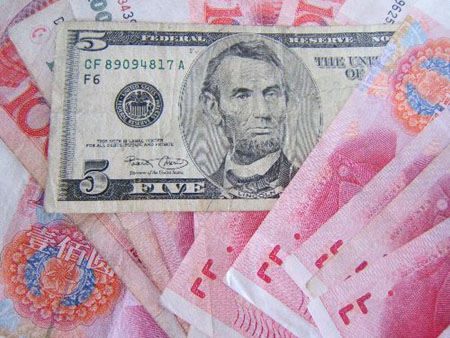
It seems that the real new world order is being shaped by the currencies of the two giants, US.US. and China. Let’s recall what we said in the first part of the post with the same title a couple of months ago:
It seems clear to us that this empire of in fact (China) is not prepared to throw away the hand it has been playing for the past few years, even though it continues to cheat. It may well end up accepting the other players’ rules in a few years’ time, but there is no denying that it wants to keep playing. And it wants to keep playing because it is winning, and with every passing day it gets closer to the level of the gamblers with whom he shares a table and whose faces poker watches it fade as the game progresses. Everyone knows that when China is forced to stop cheating and continues to grow faster and more effectively than the rest of the world, it will already be leading the global economy.
Every day, the strategy of US.US. to keep your heart rate up poker-like with the cheater sitting opposite him. It seems he couldn’t care less about kicking the other players out of the game. Perhaps that’s how it has to be if we want someone to stand up to the Chinese giant that refuses to allow its currency to float freely.
In the evolution of the yuan with regard to euro and to the dollar In recent years, we have seen these strategic differences clearly. And therefore, if these trends continue for a yuan, which is getting weaker and weaker against the euro and other Asian currencies, will undoubtedly cause a great deal of damage. That is why we are saying that it seems as though the departure of poker It's now just a matter of two. China continues with its tricks, US.US. is striving to weaken the dollar as much as possible in order to mitigate the dire effects of the current account deficit (which now stands at 857,000,000,000 – 1Q4Q). It is no surprise, then, that the dollar is currently trading at 7.565 yuan, whilst the euro stands at 10.435. Whether for different reasons or not, the yen It seems to be following in the dollar’s footsteps, but I repeat: it will be a two-horse race.
As our much-admired [name] once put it Rebuzner: «If, ten minutes into the match, poker, if you don’t know who the sucker is, then it’s you.» Even if he benefits from the carrytrade, ... it seems clear that Japan hasn't ended up playing the fool. By this I mean that the EU should take action in light of the direction the global gambling industry is taking. As you can see from the charts linked from the yuan, only the trade balance of US.US. you can plant something facing the GDP China's GDP grew by 11.9% year-on-year in the second quarter, although in the West provide forsettings.
All in all, it seems that currency fluctuations will play a significant role in the new world order, even though some people still mentally stuck in the €/$ exchange rate or in the US dollar as a strong reference currency against the rest. But as I have said on previous occasions, currency speculation is the mother of all speculation, and in the markets one must be very humble when seeking clues. I believe in the weakness of the $ whilst the yuan remains artificially pegged to that mysterious basket of currencies, but I believe this to be the case, in all humility.