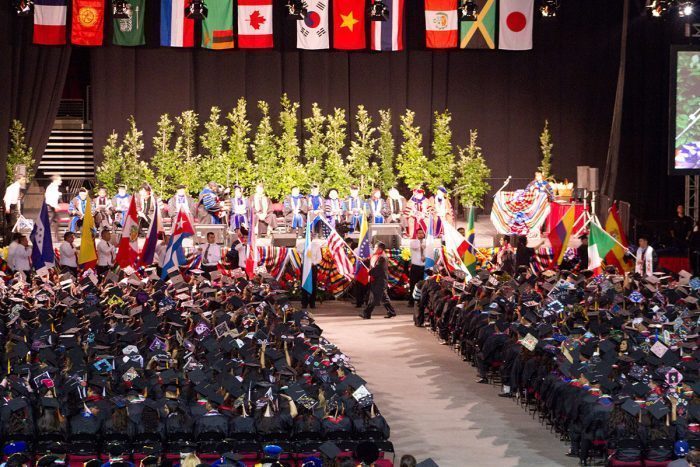
Recently the newspaper Public has interviewed several Spanish sportsmen and women who decided to study at universities in the USA to perfect their careers, both academic and sporting. This drain of talent is not only being suffered by our country at a sporting level but also at an academic level, as any student of medium or medium-high level has a place in the American university system.
.
Let's look at the motivations that lead sportsmen and women and «simple» students to pursue their careers at American universities. For sportsmen and sportswomen, the fact of studying there means obtaining a university degree that they would most probably not get here, as it would be very difficult for them to combine their sporting career, training and tournaments with classes and exams. The result is that very few Spanish athletes have a university degree when they finish their more or less successful sporting careers. In the USA, sporting success is not only compatible with, but necessarily goes hand in hand with the university world. The compatibility of training and competitions that will lead them to professional sport with classes, studies and exams is total and absolute. In addition, the facilities, sporting level and quality of coaches in the sports areas of the university system in the USA is a dream, as their budgets are light years ahead of those of any sports club in Spain, unfortunately.
.
.
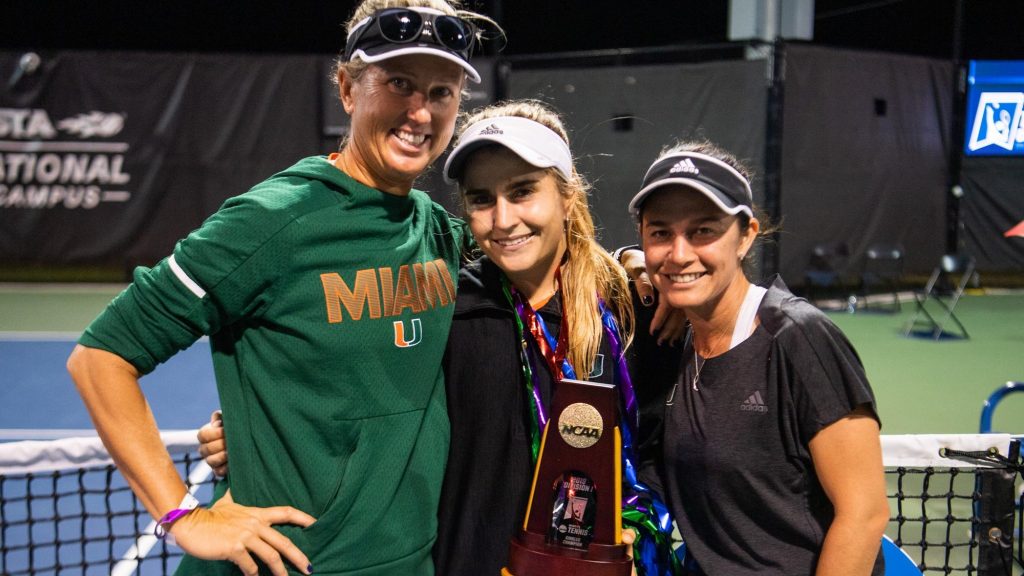
Estela Pérez-Somarriba from Madrid, a student at the University of Miami, and NCAA champion (the most competitive college tennis league in the world), explains it perfectly in the interview:
.
“I was right to look at the long term. I wanted to play tennis professionally, it had always been my dream and it still is. But when I finished high school, I started to weigh up the academic, tennis, economic and personal aspects. I didn't know if I wanted to live in Madrid all my life, I needed to mature, I couldn't afford to travel and pay a coach to take the professional leap, and in the United States I could combine sport with a career”.
Estela is studying Economics and Sports Management, and she couldn't be happier with her decision. Her goal now is to jump to the women's professional circuit (WTA) as soon as she graduates, which she will also do on a scholarship from start to finish by the university itself:
“The physical and medical resources, the facilities, the advisors and teachers help you a lot. My day-to-day life is tough, but we are top-level athletes and if you want to be the best in your sport and get a degree, it is always going to be a challenge. But here I have a lot of facilities that I didn't have before.
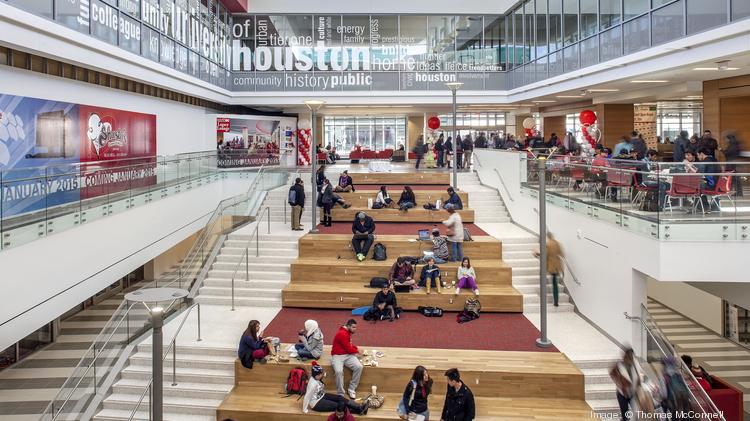
But it is not only athletes who have their way open to the university world in the USA. Every day, more and more students who do not play any sport are studying at the more than 2,000 universities across the country. And the fact is that prices are not so abusive as a priori many families might think. Nor do they the academic standards required are so high. 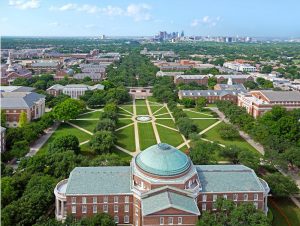
.
Furthermore, let's not fool ourselves, a degree from an American university will open more professional and employment opportunities for our children than a Spanish degree. Whether they return to Spain to look for work, stay in the USA or go to live in any country in the world, having a university degree from any American university under their arm will make a difference for life. What better inheritance can we leave them than that?
.
Although it may come as a surprise to many, the process of preparing for admission to an American university must be done at least one and a half years in advance. and appropriate expert advice. In other words, as we have already explained here, The time to start the process is between the end of the 4th year of ESO and the first half of the 1st year of Bachillerato.

.
In short, families with children aged 15-17, whether or not they are athletes, whether or not they are bright students, explore the academic and scholarship possibilities offered by the American university world. It will make a difference in their lives, and yours.