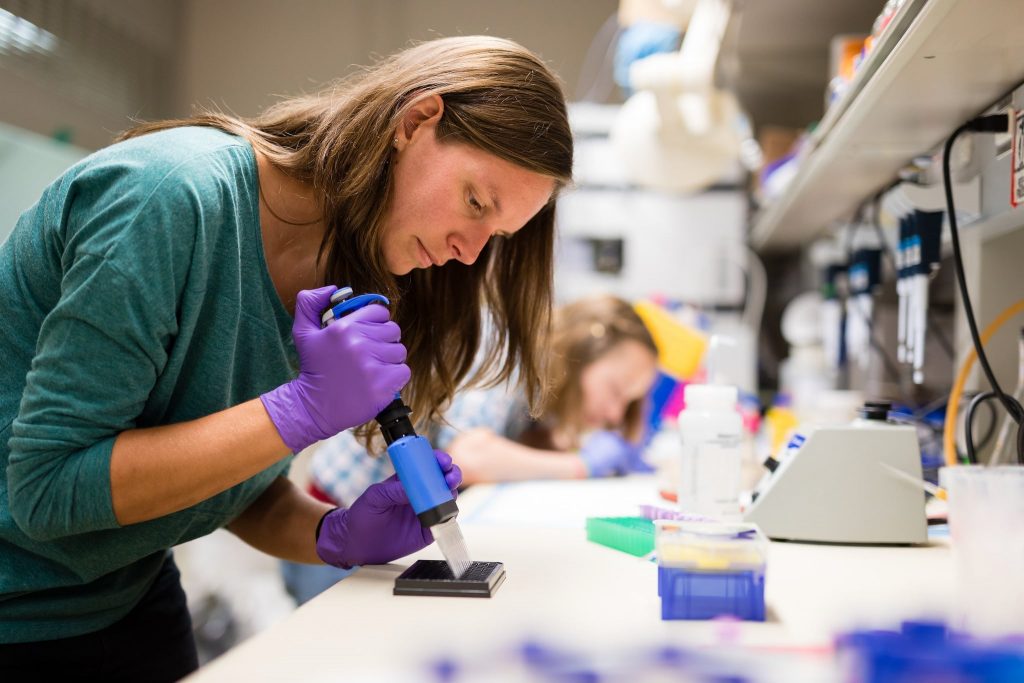
Paula Leyes achieved a grade 10 in her A-levels and is studying a dual degree in Mathematics and Computer Science at the University of Harvard. She is 18 years old and is one of four Spanish students who have enrolled at Harvard this academic year. This is a record, as never before have so many Spaniards been accepted to begin their degrees at this prestigious American university, which admits only around 1,600 new students from around the world each year. Only 4% per cent of applicants are ultimately admitted, and believe me when I say that the remaining 96% per cent are also outstanding and exceptional students, the majority of whom also achieve top marks during the extremely rigorous selection process. What’s more, Paula has also received offers of admission from no fewer than 14 other highly prestigious US universities, including Stanford, Princeton, Columbia and Georgetown.
.
Paula is clearly an exceptional success story, but Does this mean that only boys and girls with excellent grades and/or plenty of money can go and study at American universities? NO, not at all. Just one step below those elite universities lies a range of hundreds of magnificent universities where any student with grades of 6, 7 or 8 and a reasonable budget can gain access, provided they are genuinely committed and have the right guidance to to study in the United States.
.
This guidance will support interested families every step of the way through the university application process. It is a long process that must begin between 15 and 18 months before the end of the second year of Bachillerato; in other words, we must start preparing the student for US university entrance exams during the first half of the first year of Bachillerato.
.
But what if we’ve missed the boat and are already in our second year of sixth form? Well, that doesn’t mean our hopes of studying in the US are over. We’ll just have to work a bit harder, and we’ll probably need to apply to start university in the Spring Term and not in the Autumn Term. In other words, there is still time, and they won’t miss a whole academic year; they will simply start a term later. This is because, at American universities, new students arrive every term to begin their degrees. There is enormous flexibility within the US university system, both in terms of the academic calendar and when it comes to switching from one degree programme to another and transferring credits.
.
Nowadays, more and more Spanish primary and secondary schools are offering the opportunity to study for terms or entire academic years at public and private schools in the USA. It has become fashionable to send our children to American schools, where they are hosted by local families. And in many cases, this system results in a rather unpleasant personal experience. It is a personal sacrifice for the whole family, which leads most pupils to have absolutely no desire to return to the US to pursue their university studies, as they admit off the record some companies specialise in selling these courses. In other words, this leads to the exact opposite of what was intended, which is integration and acclimatisation to an American academic and social environment, so that students will subsequently wish to graduate from US universities. That is why our recommendation is to save the money for when they start university, as the academic standard of high school in the US is lower than ours. On the other hand, the academic education, university life and financial resources available to universities in the USA is far superior to our university system, whether we like to admit it or not.
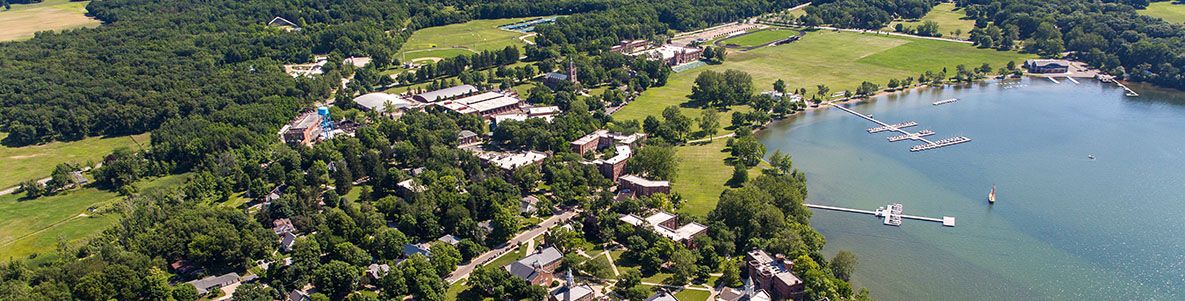
But how are we supposed to «acclimatise» our children to an American environment if we haven’t previously taken them to study there? Without that initial experience or temporary immersion, it is unlikely that a 16- or 17-year-old would suddenly want to leave their familiar surroundings in Spain to go to an American university. Based on our experience as consultants (and as parents of students who have gone through this process and are currently studying at American universities), our recommendation is clear: use a few summers during their pre-teen years to send them to camps lasting 2, 3 or even 7 weeks in the USA. These summer camps, as well as being settings of lush natural beauty, healthy and hugely enjoyable (photo below), they offer the ideal immersion in a perfect American environment, where sport and leisure activities form part of the daily routine, and which will make them long with all their might to be admitted to American universities in the future. Furthermore, these summer programmes cost considerably less than the secondary school courses at American high schools currently offered by so many Spanish schools.
So, our children are now settled in, integrated and keen to study for their university degrees in the US. Now is the time to ask the million-dollar question:
Between €10,000 and €55,000 depending on the prestige and quality of the university.
Cost of room and board:
Between 8 and 15 thousand €.
Books, materials, travel and miscellaneous expenses:
Between 2 and 3 thousand euros
Health insurance for international students:
Between €1,000 and €2,000
Bear in mind that the costs of accommodation and meals on the university campuses themselves are comparable to what it would cost us to send our children to study at any Spanish university far from our own city. In other words, it costs the same as living expenses in Madrid, Barcelona or any other European city (or even less).
.
As for tuition fees, as you can see above, they vary considerably depending on the university’s reputation, location, etc. But to give you an idea, prices start at roughly the same level as any private Spanish university, although most high-quality universities charge around 18,000–20,000 euros per year.
.
Can you to secure a scholarship to study at university in the US? The range of scholarships and grants is vast, so depending on the student’s academic and/or sporting ability, these total costs can very easily be reduced. Obviously, to achieve this, the student must stand out from the majority of their fellow students at the university. There are also other forms of financial support that do not depend on either sporting or academic ability, and which can only be fully utilised with the help of expert advisers. For example, some universities offer scholarships simply because the student’s family lives in a town twinned with the university’s, or because the student meets a variety of personal criteria and requirements.
.
However, even without any sort of scholarship or financial aid, and with a fairly average academic record (an average of 6 out of 10, for example), it is possible to find American universities costing from 20,000 to 25,000 euros a year, including EVERYTHING (tuition fees, accommodation, meals, books, insurance, etc.).
Now that we’ve clarified the costs, let’s talk about why it’s a good idea to send our children to study at American universities. And please allow me to speak to you now, not just as US university admissions consultant, but also from the perspective of a father of two children who are currently studying at two different American universities.
.
In the US, it is common for children to leave home to live at university at the age of 17 and only return home during their Christmas and summer holidays. In fact, most American students tend to choose universities far enough away from home so that they don’t have to go home every Friday and thus miss out on the campus atmosphere at the weekends. Furthermore, as – unlike in Spain – unemployment is practically non-existent there, it is common for graduates to move straight from their studies into their professional (and romantic) lives and never return to live permanently with their parents again. That is why it is very unusual there to see university-age and post-graduate children who have not yet left the nest, as is sadly the case in Spain, where young people aged 30, 35 and even older are unable (and in some cases unwilling) to become independent.
.
The experience of a 17-year-old leaving home to immerse themselves in a 100% university environment 24 hours a day, 7 days a week in the USA makes a world of difference to a person’s maturity as they transition from adolescence to young adulthood. As parents, we will not only be giving our children the chance to graduate with university degrees that will open doors for them wherever they go (far more so than Spanish qualifications), but we will also be offering them the best way to learn to spread their wings and fly out into the world, to become independent not only physically but also mentally. In short, we’ll be preparing them to navigate a globalised world like we’ve never seen before with ease.
.
In any job interview, there is usually a huge difference between candidates who have studied at a university in their own city whilst still living with mum and dad, and those who have studied at universities abroad, living amongst other students and far from their parents. In most cases, the former are less likely to secure the job, as the job interview itself takes them out of their comfort zone – something they are completely unaccustomed to – and it all feels overwhelming to them. And that’s not to mention if the role they’re applying for will require them to travel frequently or live abroad. However, for those who have been away from home since the age of 17 and have graduated from top universities such as those in the USA, a job interview is simply another of the many challenges they have had to overcome over the past several years. The difference is vast and obvious to any HR manager or employer.
.
It is true that sending children to the best American universities It comes at a cost that not all families can afford (although, as we have seen, it is much more affordable than many people thought). But giving them an inheritance like that, in kind, will prove infinitely more useful to their success in life than, for example, inheriting a small flat in a village, or half a flat in the capital, or enough money to buy one. However, many parents still think of giving their savings to their children in the form of property, which they will struggle to maintain if their CV does not help them secure a good job. Or they give it to them in cash, at the risk of them squandering it on whatever whims they or their partners might have (holidays, cars, etc.), rather than using it a few years earlier on training that will determine their future success.
.
As the economist Gay de Liébana said in the article referred to above: Given the current economic climate for young people in Spain, families who are able to send their children to study at prestigious universities in countries that attract talent will be doing them a huge favour, as they will have far more resources and contacts to help them excel in their future careers. Conversely, talented individuals who remain within the Spanish university system will, unfortunately, find it much more difficult and are likely to fade into the background, becoming part of the multitude of young people who end up in jobs far below what they deserve given their highly comprehensive university qualifications.
We have been made aware of phishing and spoofing attempts involving fraudulent email addresses and domains that closely resemble our official company communications. These unauthorized communications are not sent by our company and may falsely impersonate our employees or representatives.
Our company is not responsible for communications, requests, or transactions originating from fraudulent or unauthorized email addresses or domains. Please verify that all communications originate from our official email domain before responding or sharing any information.
If you receive a suspicious email claiming to be from our company, please do not respond, click any links, or provide any information. Contact us directly using the contact information published on this website to verify its authenticity.

 But what if we’ve missed the boat and are already in our second year of sixth form? Well, that doesn’t mean our hopes of studying in the US are over. We’ll just have to work a bit harder, and we’ll probably need to apply to start university in the Spring Term and not in the Autumn Term. In other words, there is still time, and they won’t miss a whole academic year; they will simply start a term later. This is because, at American universities, new students arrive every term to begin their degrees. There is enormous flexibility within the US university system, both in terms of the academic calendar and when it comes to switching from one degree programme to another and transferring credits.